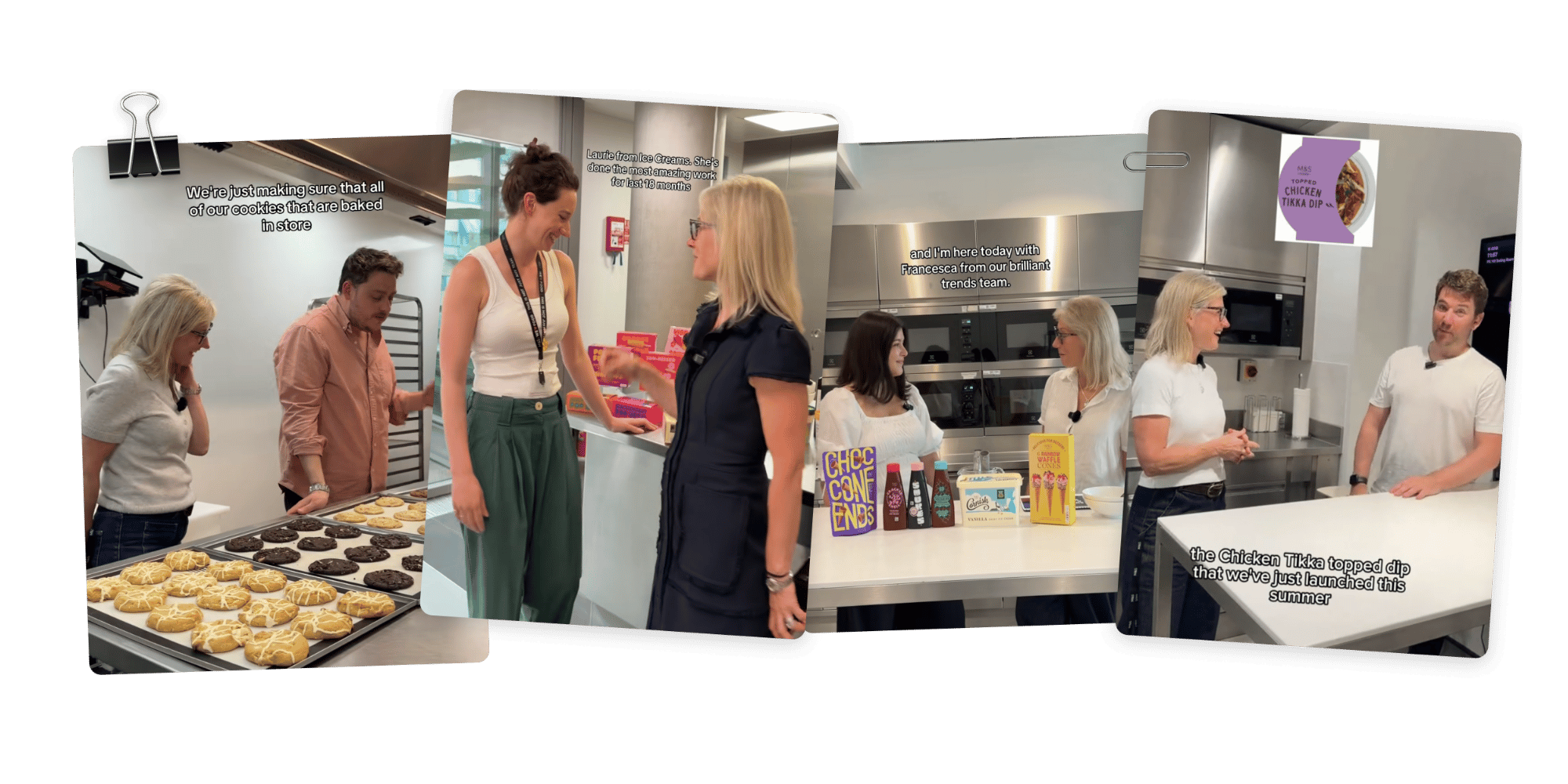
By now, you've probably seen Kathryn Turner's, M&S Director of Product Development leader, go viral, introducing people in the teams that work on the products, new product launches and an insight into life at M&S. Externally, you might be seeing this as a quick marketing win, but it's worth more than that. It points somewhere most brands aren't looking. Employee Advocacy. Putting real people on camera, from the CEO to the shop floor, is becoming the default way for brands to build trust.
The shift from brand voice to employee voice
The common thread that's occurring today is that brands have learned to be funny and human on social media. True, but what's actually changing is who speaks for the brand. The voice is moving away from the corporate channels and onto real employees: leaders, product developers, store staff and beyond.
But deciding who you trust to represent you in public is more than a social media team decision; it belongs to whoever owns talent, culture and reputation.
This shift in the people spotlight is coming to life in two ways:
Visible leadership: M&S is a great example. CEO Stuart Machin's visibility has been part of the company's turnaround for a few years now, helping to put a recognisable face to the business and build trust beyond corporate messaging. More recently, figures such as Kathryn Turner have continued that approach, giving audiences access to the people behind the brand. Instead of hearing from M&S as a faceless organisation, customers and potential employees hear directly from the leaders shaping its direction. The result is a brand that feels more human and trusted.
Employee-generated content: Currys have built their strategy around in-store staff. These employees aren't acting as brand spokespeople in the traditional sense; they're sharing product knowledge, workplace experiences and content audiences find genuinely useful and entertaining. By trusting frontline colleagues to tell the story, Currys has created a constant stream of credible content that resonates. And this shows in the results: roughly 200,000 TikTok followers, more than 100 million organic views, and a following that doubled in a year.
Three benefits of putting people front and centre
Here’s why visible leaders or employee content creators are worth far more than just the follower count.
1. They spotlight you as a place to work: A leader people warm to, or a colleague who clearly enjoys their job, is the most persuasive career advert you'll never pay for. With around 80% of applicants using social media as part of their job search, those posts are the employer brand candidates actually believe.
2. One visible person gives everyone else permission: When a director or the CEO goes first, the implicit message to the organisation is "you're allowed to do this too." Advocacy stops feeling like a corporate ask and starts feeling like a culture. It's why the programmes that last and spread through self-nomination, just like the one we built with Taylor Wimpey.
3. Reputational resilience: A brand with trusted, recognisable humans throughout the business, not just at the top, creates a totally different story when going through company changes.. Nielsen has found around 88% of people trust recommendations from someone they know above any other channel, and Edelman has shown for years that a varied pool of employees further down the business are more trusted than the CEO.
Where to begin
Plenty of brands will watch M&S and Currys and want the same thing. The instinct is usually to start with output: brief the team, point a phone at the CEO, post more often. That's the wrong end to start from. What makes visible people work is the groundwork underneath it, and that's where the early effort should go.
Three places to start with employee advocacy and content:
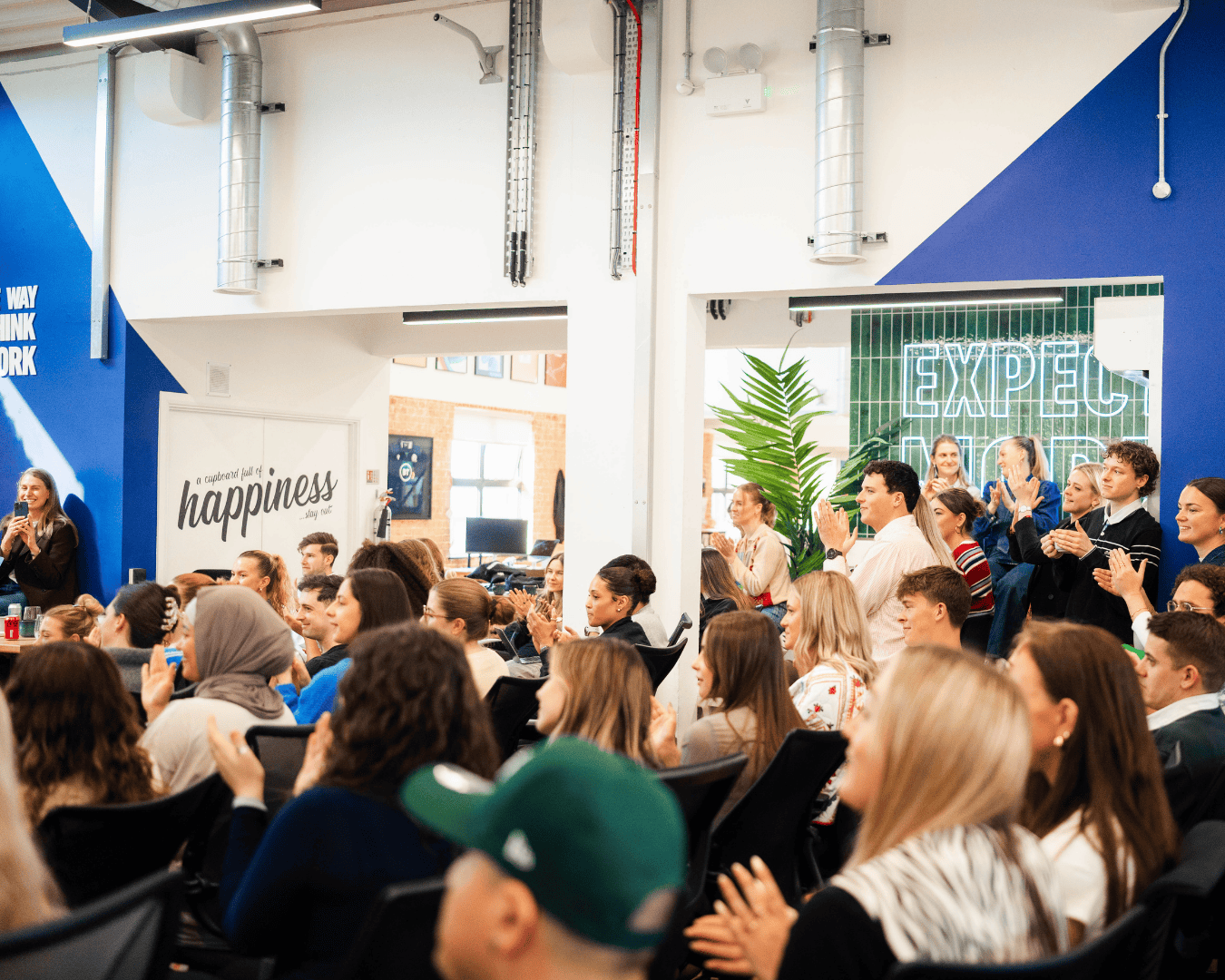
Start internally: A leader is only as credible as the culture behind them. Before putting senior people or employees in the spotlight, make sure your employer brand and EVP are clear, honest and actually lived inside the business. Otherwise, content will only expose the gap between what you say and what employees experience. The strongest advocacy comes from alignment: when people can talk confidently about the organisation because the reality backs them up.
Give permission and capability before output: You can’t teach authenticity. Employees need to know what they’re allowed to say, how much freedom they have, and where the boundaries are. They also need the skills to show up well. Content training turns willing employees into confident creators, helping them understand storytelling, filming, tone of voice and platform behaviour.
Start small, then stay consistent: Begin with a few visible leaders or a first cohort of genuinely interested employees, then support them properly with training, prompts, feedback and encouragement. Over time, those early advocates become proof points for others. The aim isn’t to manufacture a sudden wave of content; it’s to build a culture where advocacy feels normal, trusted and sustainable. The effects compound over years, not weeks.
The new era of EGC
This new era of employee-generated content is more than a trend; it’s building trust, and trust is an employer brand asset. The brands that will succeed will be the ones that already treat their people as their most credible voice, and that have built the advocacy, content training and leadership visibility to use it.