For Gen Z, a brand’s reputation starts before the first application and often ends after one bad experience. Whether it’s a grad scheme that didn’t deliver on its promise or an internship that had limited tasks and opportunities, this generation has high standards and higher expectations.
Mai Zahra, Employer Branding Senior Partner at Hitachi Energy, is focused on building employer brands that can deliver on their promises, especially in fast-growing, culturally diverse markets such as Africa and the Middle East.
Why early careers are the starting point for strong employer branding
Mai first got into employer branding while working at her university's careers centre, where she focused on the relationships between students and employers. This is where she quickly noticed the long-term impact of a good (or bad) candidate experience.
If an employer got it right, students would return the next year, referring their friends, and becoming natural advocates for the brand. However, in the flip of a coin, if they got it wrong, a negative word about their experience would spread even faster, impacting future talent’s decisions.
“Early careers are where the real impact is. You see someone walk in with zero experience, and two months later, they’re presenting back to the team with confidence. That kind of transformation builds loyalty.”
That early insight shaped how Mai approaches employer brand today, from the inside out, and always experience-first.
She’s since built internship programmes from scratch, led early careers strategy in regional roles, and worked in both local and global companies, always with a focus on designing graduate experiences that feel real.
What Gen-Z candidates expect from graduate and internship programmes
One of the biggest challenges in employer branding today is expectation vs. reality. A company might promote flexibility, fast growth and innovation in their Employee Value Proposition (EVP), but when a new joiner walks in, the culture tells a different story; it can cause misalignment.
For example, an EVP film might promise meaningful work, but if an intern is stuck chasing approvals or copying spreadsheets, they'll notice, and they'll share their experience.
That disconnect between brand and experience is where employer branding either succeeds or fails. Because for Gen Z, if the story doesn't feel true, it's not only disappointing but sometimes disqualifying for future talent pipelines.
How authentic content builds employer brand trust with Gen-Z
At Hitachi Energy, Mai is working on the regional employer brand efforts across the Middle East and Africa, and content is one of the most important tools for shaping trust, but only when it reflects the actual employee experience.
She's focused on creating content that's short, real, and regionally relevant. That means prioritising local stories rather than top-level HQ messaging. Candid, day-in-the-life moments and storytelling that centre the people actually doing the work.
Mai believes content doesn’t always need to be perfect; it needs to be personal.
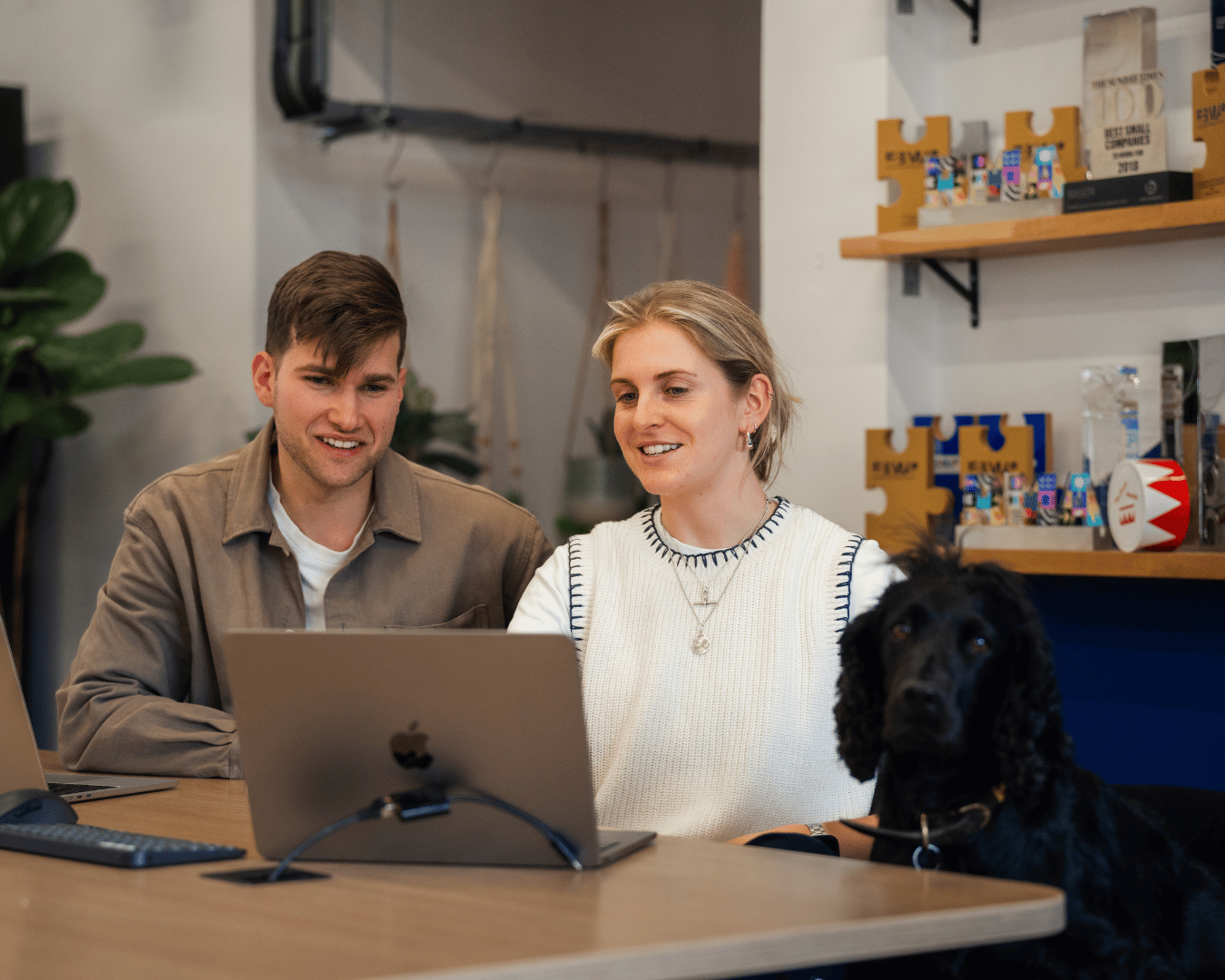
“A quick video of an intern presenting their work, or a photo of someone working from home with their dog, can carry more weight than a scripted corporate ad. Because that’s what builds emotional connection, and that’s what Gen Z responds to.”
Why internships are the best test of your employer brand
Internship programmes can be a pipeline for future hires. But Mai explains how they are more than that; they’re the ultimate test of an employer brand. It’s where promises meet reality.
At previous companies, she’s helped launch internships where students were trusted with real responsibilities, presented their work to senior leaders, and walked away with skills they didn’t have two months earlier. The payoff of this was greater loyalty, stronger engagement, and advocacy that money can’t buy.
“When you design something meaningful for early talent, they’ll not only stay, they’ll bring others with them.”
But those outcomes don’t happen by accident. They require managers who know how to coach, a culture that supports learning, and operations that move fast enough to keep interns engaged. When those pieces are in place, the impact isn’t just felt in HR; it shows up in:
Future retention
Employee referrals
Positive reviews and reputation.
Localising employer brand strategy for regional talent markets
Mai’s current role spans multiple countries, each with its own culture, expectations, and approach to work. Because of this, for all the work she does, localisation is non-negotiable.
Too often, she says, global EVPs are rolled out in ways that don’t reflect local realities.
For example, using snowy Swiss imagery to recruit in Saudi Arabia creates a visual disconnect that immediately weakens trust. So she’s got a massive emphasis on campaigns that represent the region authentically, from the environments people work in to the language they speak.
“If people can’t see themselves in your story, they won’t connect with it.”
By bringing in local employee voices and showing how early careers actually look and feel in these regions, she's helping candidates see themselves in the story rather than simply imagine it.
Why internal culture has to match your employer brand message
While Mai is deeply involved in creating external campaigns and content, she expressed that employer branding goes beyond a tickbox external marketing exercise; it's as much about the company culture. Because if the internal experience isn't ready, no amount of storytelling can fix it.
At Hitachi Energy, she’s helped improve internal referral communications, boosting engagement simply by making the message clearer and more compelling. It didn’t require more budget, just better alignment between what the business wants and how people experience it.
That internal-first mindset runs through all her work. Before building a new content series or launching a graduate campaign, she asks:
Is the foundation strong enough?
Do employees feel proud to share their experience?
Do we have the right people and culture in place to deliver on the promise?
If not, that’s where the work begins.
How to build early talent loyalty that lasts
Employer brand doesn’t begin when someone joins a company; it starts the moment someone applies for their first internship, having never worked a day in their life. What happens next: the way they’re treated, the support they’re given, and the trust they’re shown shape how they talk about your company long after the programme ends.
Early talent is the thread that runs through everything, and when you get it right, you build a pipeline of future leaders and a brand reputation that speaks for itself.